
Clinic Timings
Monday To Saturday
Morning-10:00 AM - 01:30 PM
Evening-05:00 PM - 08:30 PM
Sunday
10:00 AM - 01:30 PM




What Are Dental Veneers? Types, Benefits and Procedure
Dental veneers have become one of the most popular cosmetic dentistry solutions for achieving the perfect smile. Whether it is discolored, chipped, misaligned or uneven teeth, veneers offer versatile and long-lasting solutions.
At Dental Folks in Ramesh Nagar, we help patients choose the right veneer type for their smile goals and budget, based on a proper dental consultation.
Table of Contents
What Are Dental Veneers?
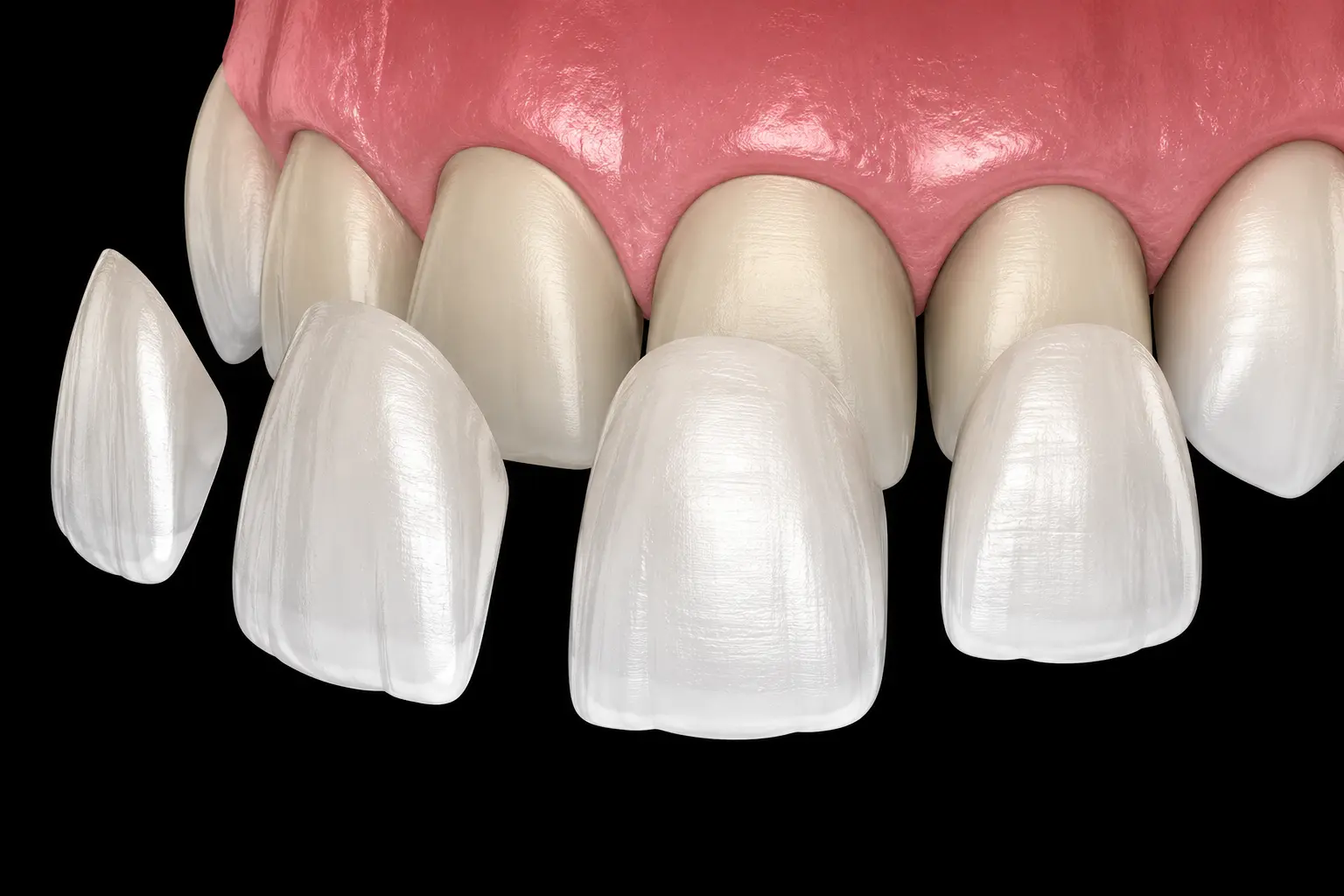
Dental veneers are thin, custom-made shells designed to cover the front surface of teeth. They are typically made from porcelain or composite resin materials and are bonded permanently to the teeth to improve their appearance. Veneers are crafted to match the natural color, shape and size of the teeth, providing a seamless and aesthetically pleasing result.
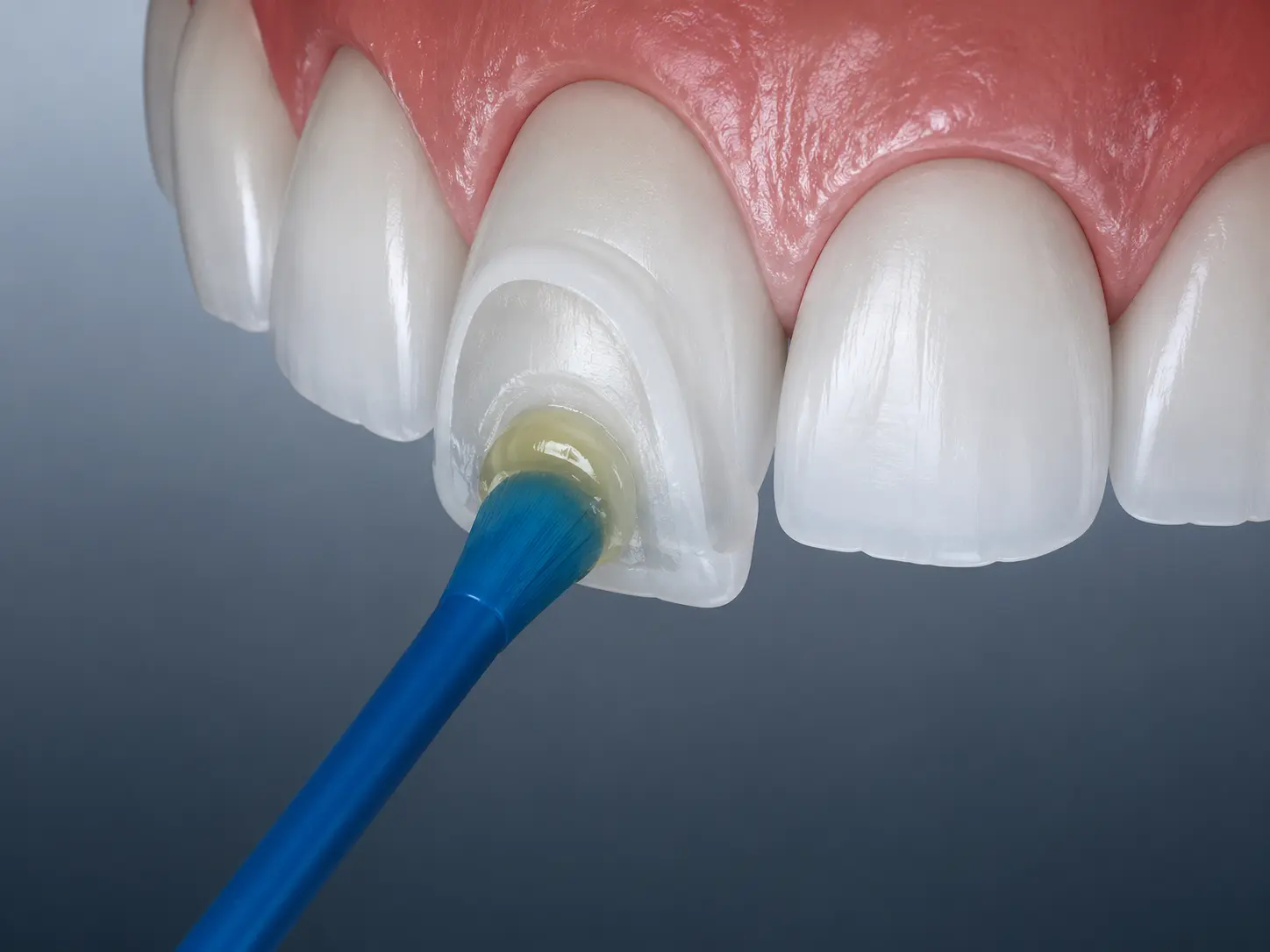
Types of Dental Veneers
1. Porcelain Veneers
Porcelain veneers are the most popular and widely used type. They are known for their durability and natural-looking appearance. Porcelain and composite veneering are both offered at Dental Folks depending on your case.
Advantages
- Highly resistant to stains and durable.
- Mimic the light-reflecting properties of natural teeth.
- Long-lasting (10-15 years or more with proper care).
- Effectively hide cracks, chips, discoloration, and minor gaps.
- Do not require special care beyond good oral hygiene.
- Compared to crowns, they require minimal reduction of the natural tooth structure.
Disadvantages
- More expensive than other options.
- Require removal of a small amount of enamel.
- Irreversible procedure.
- Teeth may become more sensitive to heat and cold due to enamel removal.
- Can crack, chip or be dislodged (especially for those who grind their teeth).
- Incompatibility with poor oral health.
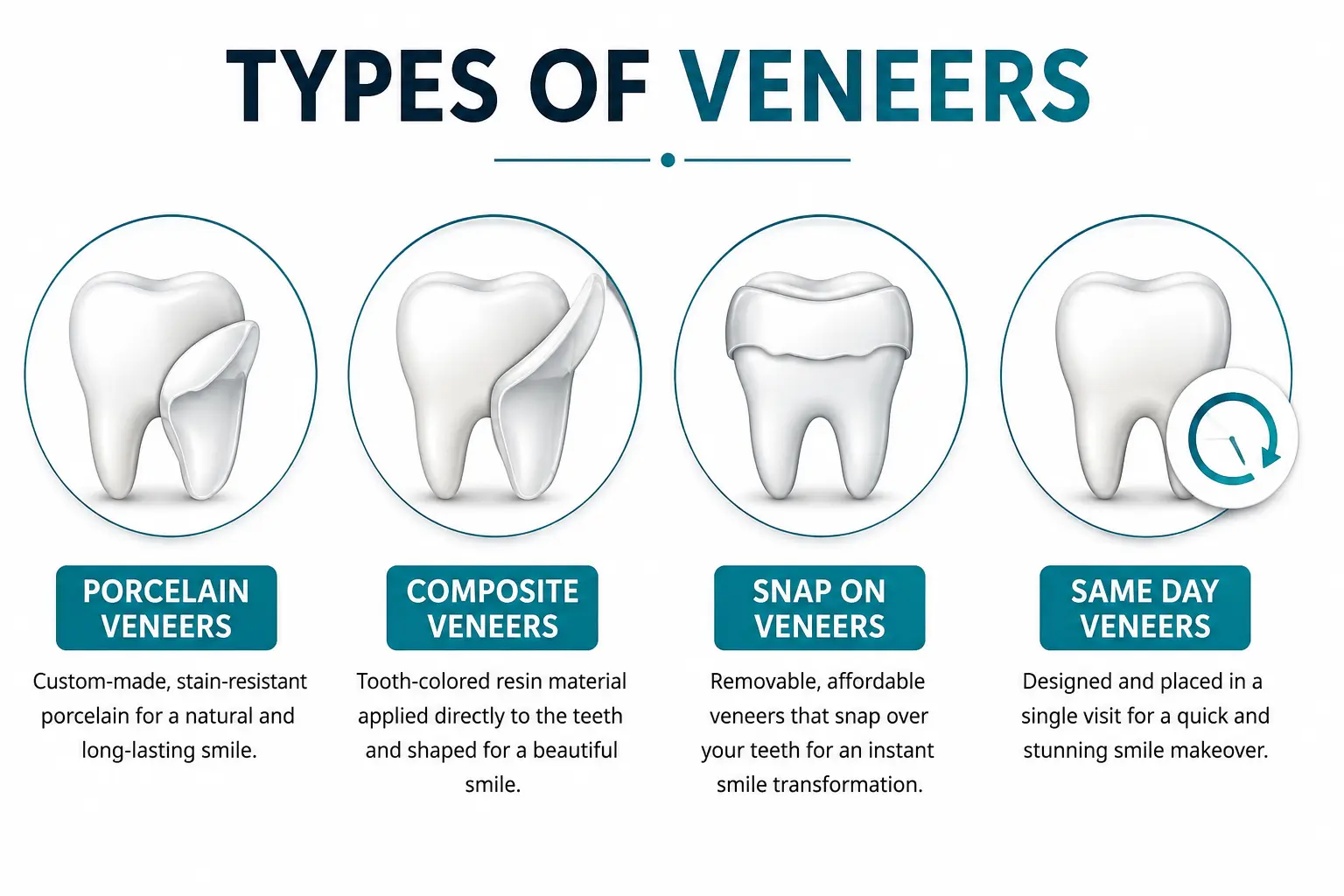
2. Composite Resin Veneers
These veneers are made from tooth-colored resin material and are applied directly to the teeth.
Advantages
- More affordable than porcelain.
- Can often be completed in a single visit.
- Require less enamel removal.
- Ideal for correcting minor cosmetic issues, including slight gaps, stains, chips and misalignment.
Disadvantages
- Less durable (typically lasts 5-7 years).
- More prone to staining and chipping.
3. Lumineers (No-Prep Veneers)
Lumineers are ultra-thin veneers that require little to no enamel removal.
Advantages
- Minimally invasive.
- Reversible in some cases.
- Less discomfort during the procedure.
- Painless application.
Disadvantages
- May not be suitable for severely damaged or discolored teeth.
- Slightly bulkier appearance in some cases.
- More susceptible to damage or chipping if you grind your teeth.
4. Zirconia Veneers
These are made from a strong type of ceramic and are ideal for patients who need extra durability.
Advantages
- Extremely strong and resistant to damage.
- Suitable for patients with heavy bite pressure.
- Highly compatible with human tissues, posing a minimal risk of allergic reactions or gum irritation.
- Zirconia veneers can last for 10-30 years.
- Can be manufactured in very thin layers.
Disadvantages
- Slightly less natural looking compared to porcelain.
- More opaque.
Not sure which veneer is right for you? Get a personalised recommendation at Dental Folks, Ramesh Nagar.
Call Now WhatsAppBenefits of Dental Veneers
1. Improved Appearance
Veneers can dramatically enhance the smile by correcting issues such as discoloration, gaps, uneven teeth, and minor misalignment.
2. Natural Look
High-quality veneers are designed to look like natural teeth, making them virtually indistinguishable.
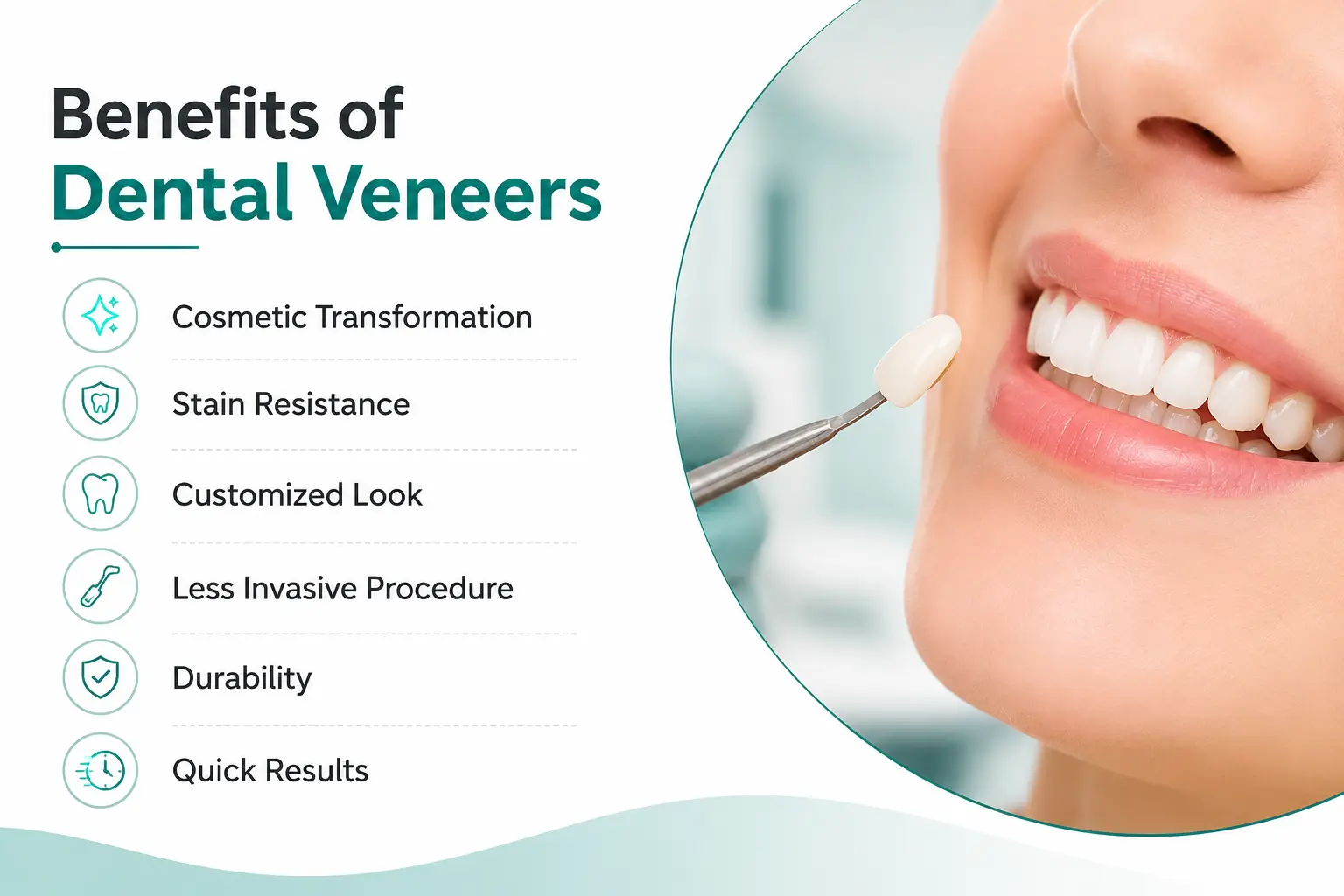
3. Stain Resistance
Porcelain veneers are highly resistant to stains from coffee, tea and smoking.
4. Durability
With proper care, veneers can last for many years, making them a worthwhile investment.
5. Minimally Invasive
Compared to crowns, veneers require less removal of the natural tooth structure.
6. Quick Transformation
Veneers provide a relatively fast solution for achieving a complete smile makeover, often in just a few appointments.
Dental Veneers Procedure
Veneers typically involve multiple steps and may require two or three visits to the dentist.
A. Consultation and Evaluation
- Examination of the teeth.
- X-ray or impressions may be taken.
B. Tooth Preparation
For most veneers (especially porcelain), a small amount of enamel (about 0.5mm) is removed from the front surface of the teeth. This ensures a proper fit and natural look.
- Local anesthesia may be used for comfort.
- An impression of the teeth is taken and sent to a dental lab.
C. Temporary Veneers
While permanent veneers are being made, temporary veneers may be placed to protect teeth and maintain aesthetics.
D. Fabrication of Veneers
The dental lab customizes veneers based on the impressions. This process usually takes 1-2 weeks.
E. Bonding
Once veneers are ready:
- The dentist will check their fit and color.
- The teeth are cleaned and etched to create a strong bonding surface.
- A special adhesive is applied, and the veneers are placed.
- A curing light is used to harden the adhesive quickly.
F. Final Adjustment
After bonding, the dentist will make any necessary adjustments and polish the veneers for a natural finish.
Aftercare and Maintenance
- Brush and floss daily.
- Use a non-abrasive toothpaste.
- Limit stain-causing food and beverages.
- Avoid biting hard objects (like ice or pens).
- Visit the dentist regularly for check-ups and cleaning.
- For the first week or two, avoid very hot or cold foods/drinks to manage potential sensitivity.
Frequently Asked Questions
How long do dental veneers last?
It depends on the material. Porcelain veneers typically last 10-15 years or more with proper care, composite resin veneers last around 5-7 years, and zirconia veneers can last 10-30 years.
Do veneers damage your natural teeth?
Most veneers require removing a small amount of enamel (about 0.5mm) to ensure a proper fit, which makes the process irreversible for porcelain veneers. No-prep options like Lumineers require little to no enamel removal, making them more conservative.
Are dental veneers painful to get?
The procedure is generally comfortable. Local anesthesia may be used during tooth preparation, and options like Lumineers involve minimal to no discomfort since little to no enamel is removed.
How much do dental veneers cost?
Veneer cost depends on the material, the number of teeth being treated, and the complexity of the case. Composite resin veneers are generally more affordable than porcelain or zirconia. A dental consultation is needed for an accurate estimate.
Can veneers be removed or replaced?
Traditional porcelain and composite veneers are considered a permanent, irreversible procedure since enamel is removed. Some no-prep veneer options are reversible in certain cases. Veneers can typically be replaced when they wear out or become damaged.
Ready for a Smile Makeover?
Whether you're considering porcelain veneers, Lumineers, or composite veneers, visit Dental Folks in Ramesh Nagar, West Delhi for a consultation and find the right fit for your smile.
Call Now Book Your Appointment Today