
Clinic Timings
Monday To Saturday
Morning-10:00 AM - 01:30 PM
Evening-05:00 PM - 08:30 PM
Sunday
10:00 AM - 01:30 PM




Types of Braces: A Complete Guide to Straightening Your Smile
Braces are orthodontic devices used to straighten teeth, correct bite issues, and improve overall dental alignment. They work by applying continuous, gentle pressure on the teeth over a period of time. This pressure gradually shifts the teeth into their proper position.
Table of Contents
What Are Braces Used For?
Braces are commonly recommended for conditions such as:
- Crooked teeth
- Overcrowded teeth
- Gaps between teeth
- Overbite
- Underbite
- Crossbite
Orthodontic treatment typically lasts between 12 months and 3 years depending on the severity of the dental issue.
1. Traditional Metal Braces
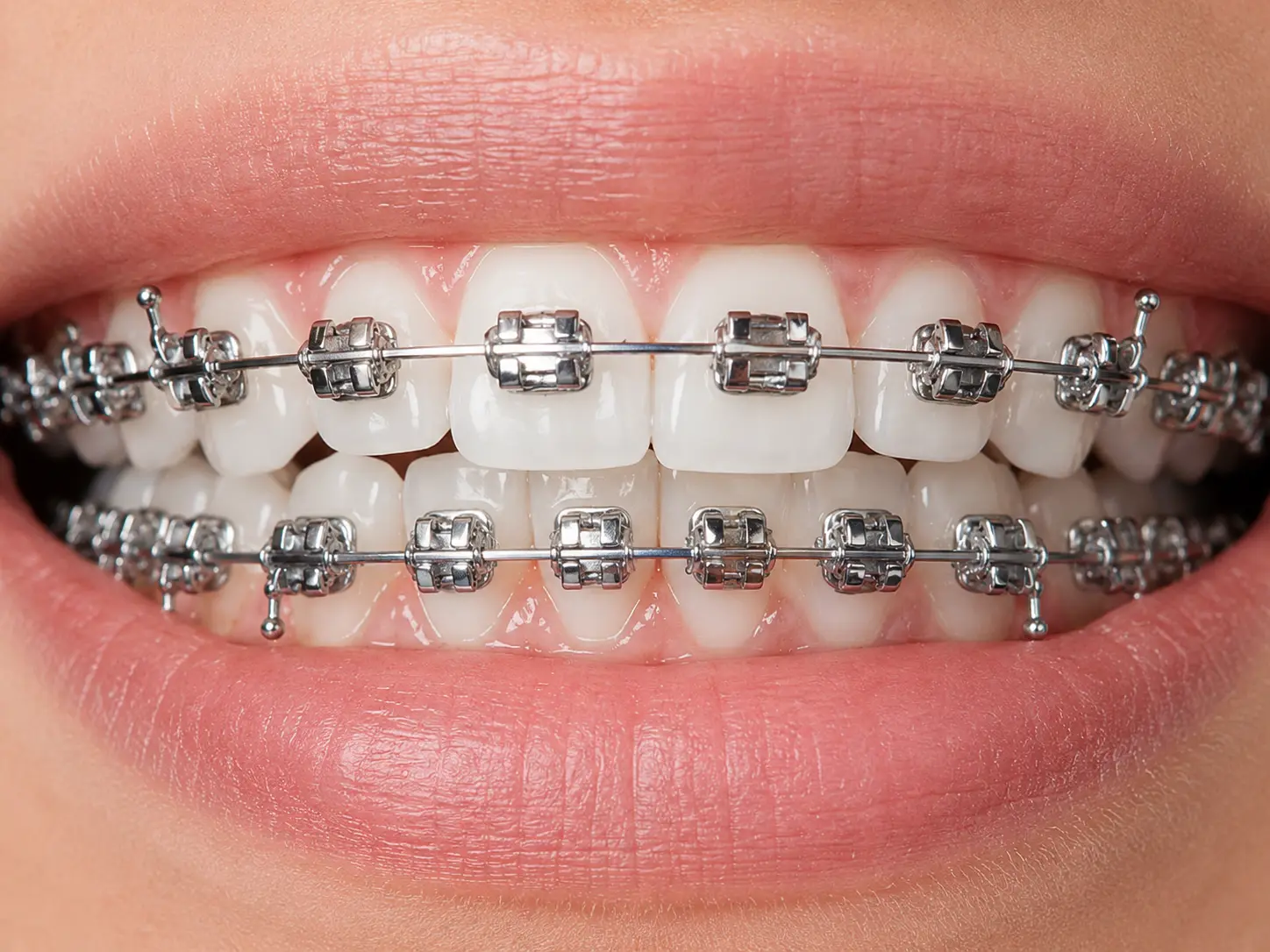
Traditional metal braces are the most common type of braces used in orthodontic treatments. They consist of stainless-steel brackets that are attached to each tooth and connected by a thin metal wire known as an arch wire. Small elastic bands hold the wire in place and help apply pressure to move the teeth.
Modern metal braces are much smaller and more comfortable than older versions. Patients can also choose among children and teenagers.
Advantages
- Highly effective for complex dental problems.
- Durable and strong.
- Usually the most affordable option.
Disadvantages
- Clearly visible on the teeth.
- Some food restrictions.
- May cause temporary discomfort after adjustments.
2. Ceramic Braces
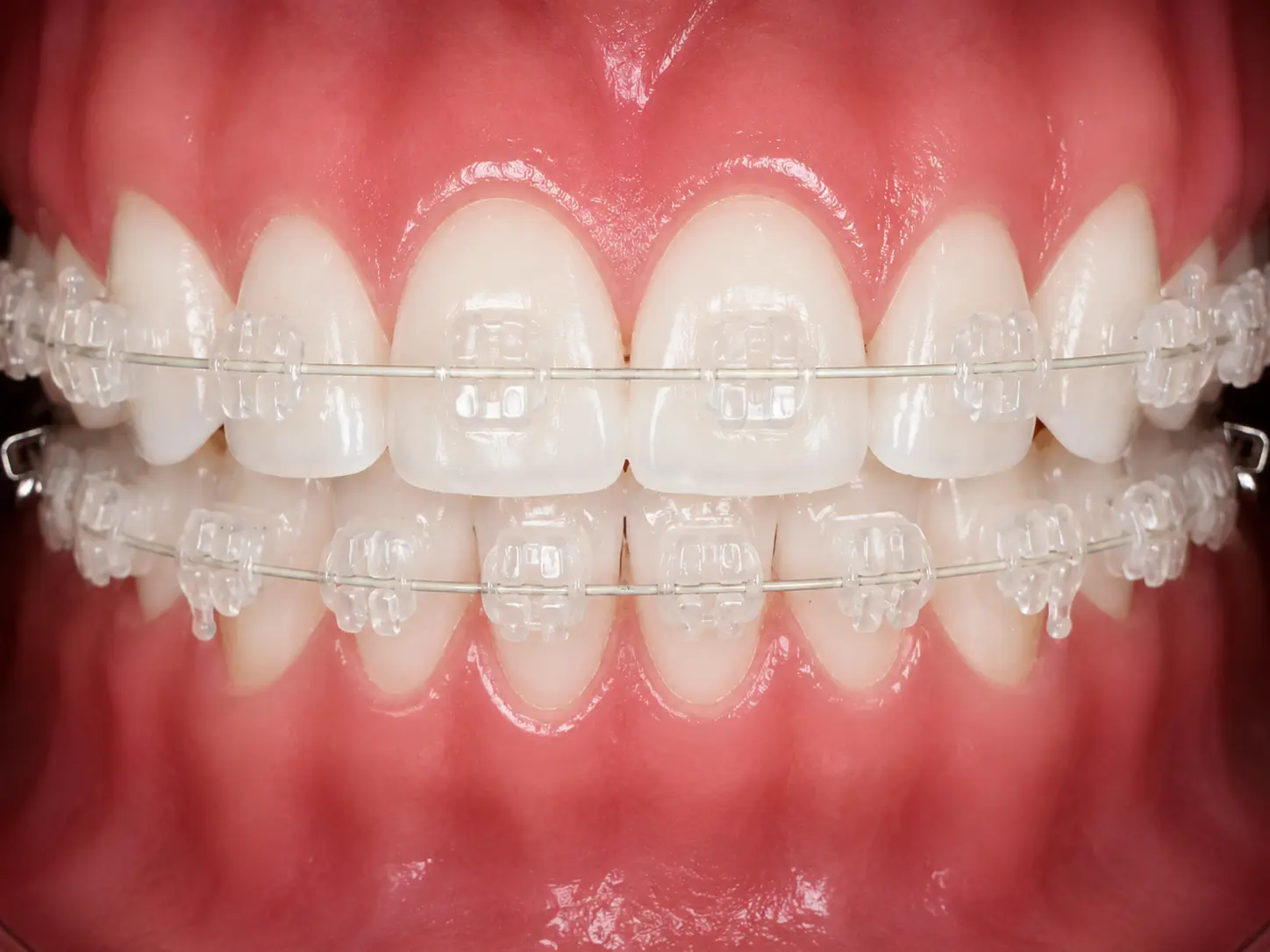
Ceramic braces work in a similar way to metal braces but use clear or tooth-colored brackets instead of metal brackets. This allows them to blend in with the natural color of teeth, making them less noticeable.
Advantages
- Less visible than metal braces.
- Effective for most orthodontic issues.
- Suitable for patients concerned about appearance.
Disadvantages
- More expensive than metal braces.
- Brackets may stain if not properly maintained.
- Slightly more fragile than metal braces.
Ceramic braces offer a good balance between aesthetics and effectiveness.
3. Lingual Braces
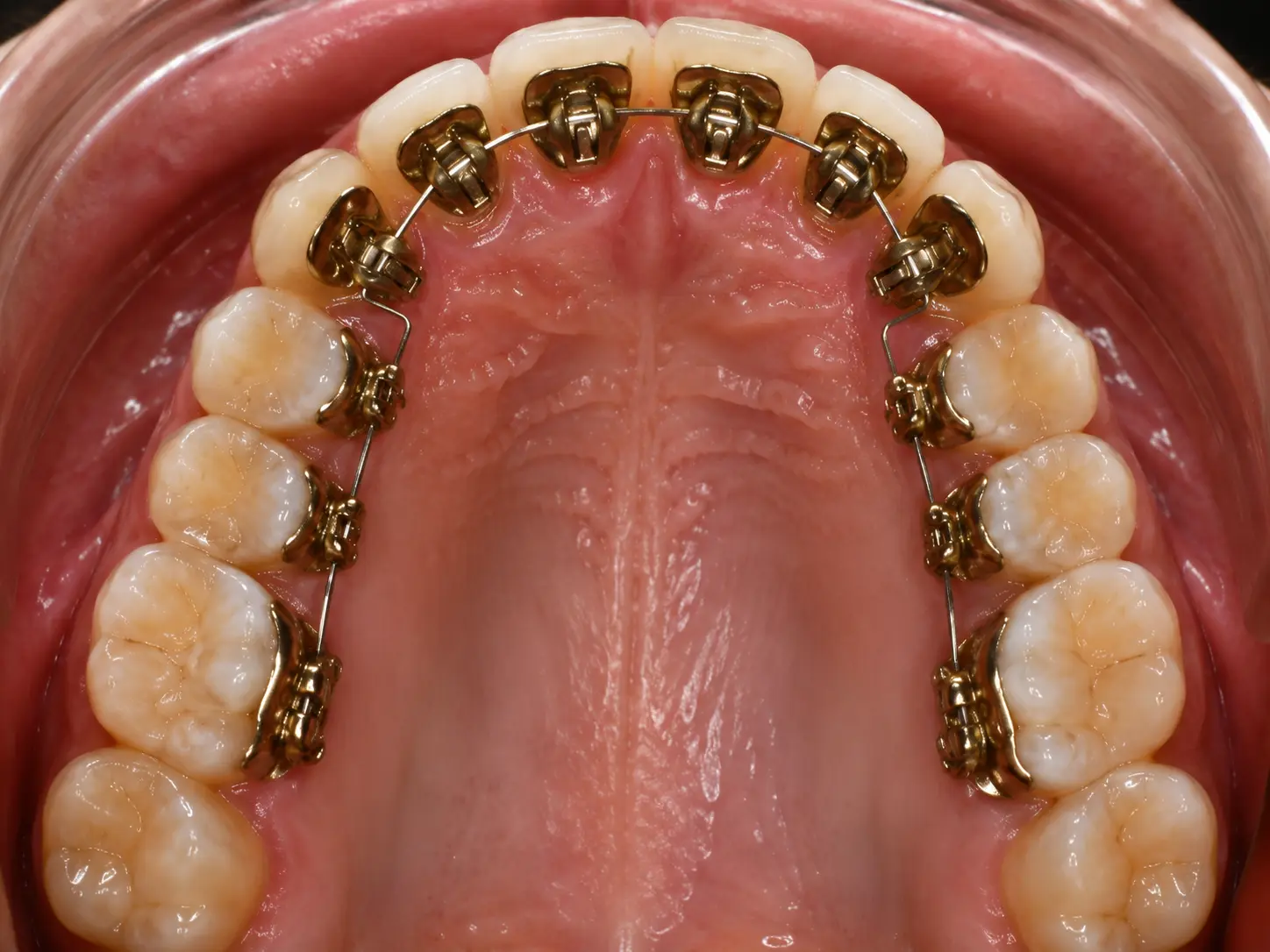
Lingual braces are unique because they are placed on the inside of the teeth rather than the front. This makes them virtually visible from the outside when a person smiles or speaks.
These braces are custom-made to fit each patient's teeth, which makes them a personalized orthodontic solution.
Advantages
- Completely hidden from view.
- Effective for treating many dental alignment problems.
- Ideal for adults who want invisible braces.
Disadvantages
- More expensive than traditional braces.
- May cause temporary speech difficulties.
- It is harder to clean and maintain.
4. Self-Ligating Braces
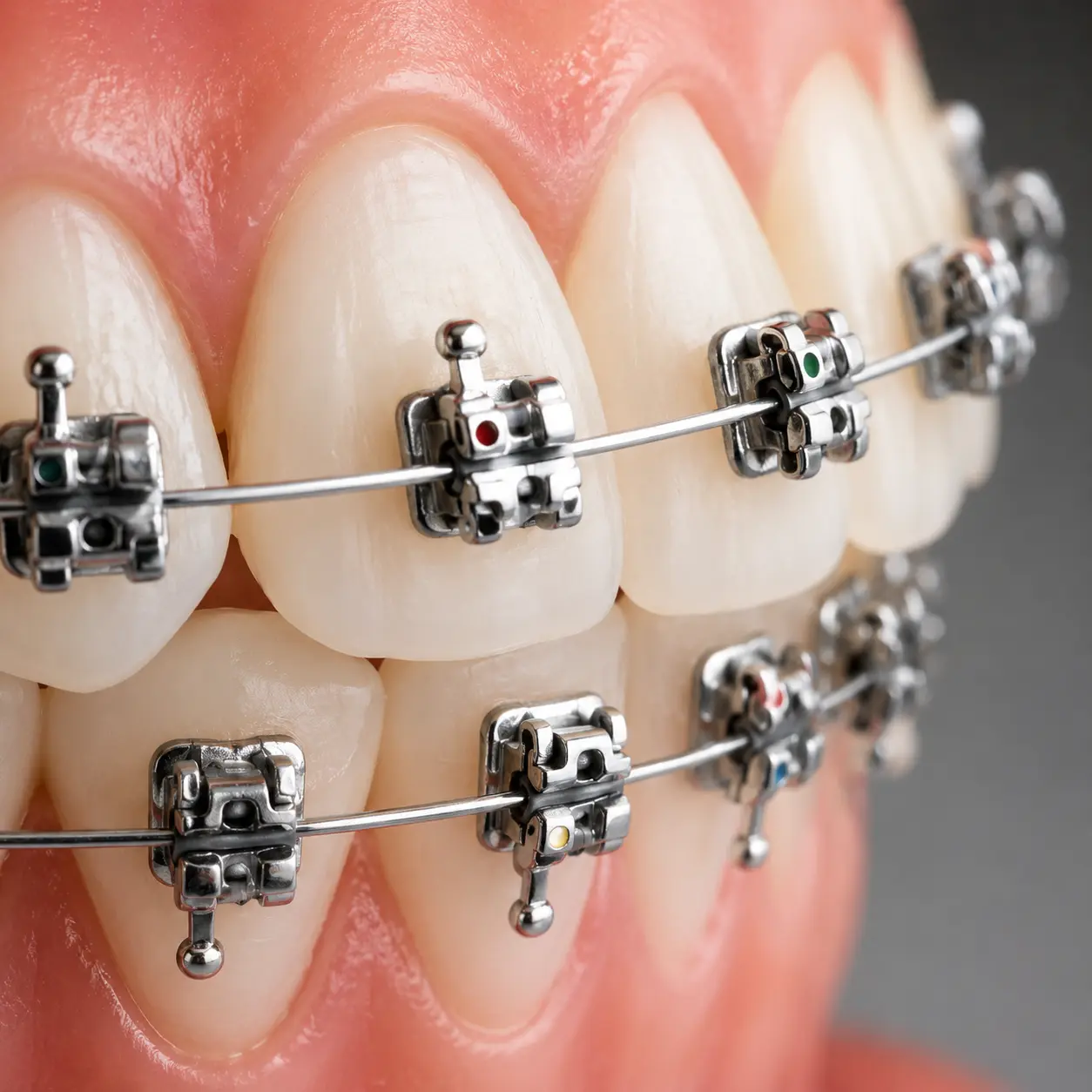
Self-ligating braces are similar to traditional metal braces but with a key difference. Instead of elastic bands, these braces use special clips or sliding doors to hold the arch wire in place.
This design reduces friction and allows the teeth to move more freely. Self-ligating braces may also require fewer orthodontic appointments.
Advantages
- Easier to clean due to fewer components.
- Reduced friction and pressure.
- May require fewer dental visits.
Disadvantages
- Still visible like traditional braces.
- More expensive than traditional metal braces.
These braces are often recommended for patients who want more comfortable and efficient orthodontic treatment.
5. Clear Aligners
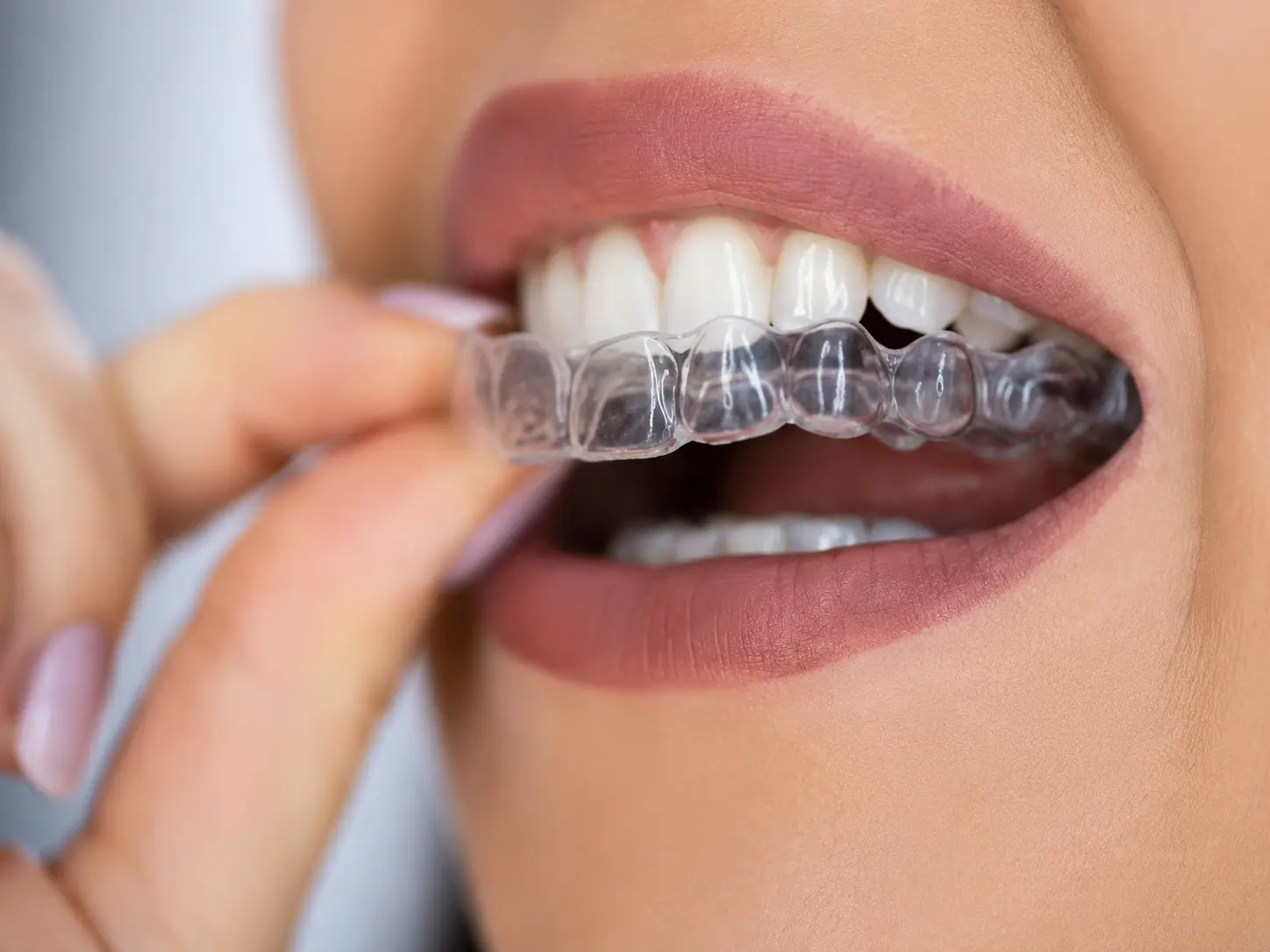
Clear aligners are one of the most modern orthodontic solutions available today. Instead of brackets and wires, they use transparent plastic trays that gradually move the teeth into the correct position.
Each aligner is custom made and worn for about two to four weeks before switching to the next set in the series.
Advantages
- Nearly invisible.
- Removable for eating and brushing.
- Comfortable with no wires or brackets.
Disadvantages
- Must be worn for 20-22 hours per day.
- Not suitable for very severe cases.
- Usually more expensive than metal braces.
6. Damon Braces
Damon braces are a type of self-ligating braces that use a special sliding mechanism instead of elastic bands. This allows the wire to move freely and helps reduce pressure on the teeth.
Advantages
- Must be worn for 20-22 hours per day.
- Not suitable for very severe cases.
- Fewer orthodontic visits.
Disadvantages
- Higher cost compared to traditional braces.
- Still visible on teeth.
Damon braces combine advanced technology with the reliability of traditional braces.
How to Choose the Right Braces
Choosing the right type of braces depends on several factors:
- Severity of the dental problem
- Budget and treatment cost
- Aesthetic preferences
- Age of the patient
- Lifestyle and discipline for removable options
Benefits of Orthodontic Treatment
A. Improved Oral Health
Straight teeth are easier to clean, reducing the risk of cavities and gum disease.
B. Better Bite Function
Correcting bite problems improves chewing efficiency and prevents jaw strain.
C. Increased Confidence
A well-aligned smile can significantly boost self-esteem and social confidence.
D. Preventing Future Dental Problems
Properly aligned teeth reduce wear and tear and prevent long-term dental problems.
Frequently Asked Questions
Is bleeding normal after sutures?
Mild bleeding or oozing is normal during the first 24 hours.
Can sutures get infected?
Infection is rare but can occur if proper oral hygiene is not maintained. Signs include increased pain, swelling, pus or fever.
Do sutures affect eating or speaking?
Initially, one may feel slight tightness, but sutures usually do not significantly affect eating or speaking, soft foods are recommended during healing.
Are sutures always necessary after dental procedures?
No. Not all dental procedures need sutures. Sutures are only used when required to support healing and protect the surgical area.
Concerned About Tea or Coffee Stains?
If your teeth are stained or sensitive due to tea and coffee, visit Dental Folks – a trusted dental clinic in Ramesh Nagar, West Delhi.
Book Your Appointment Today