





Blog / Kids Dentistry

Pediatric Dentistry: Ensuring Healthy Smiles for Children

By Dr. Eshani, Dental Folks Updated 2026

Pediatric dentistry is the branch of dentistry that focuses on the prevention, diagnosis, and treatment of oral health problems in infants, children, adolescents, and children with special healthcare needs. If you're searching for a pediatric dentist near me in Ramesh Nagar or elsewhere in Delhi, it helps to first understand what this specialty actually involves. Pediatric dentists are specially trained to understand the physical, emotional and psychological needs of children. They provide comprehensive dental care in a child-friendly environment while educating parents about proper oral hygiene practices, helping children maintain healthy teeth and gums throughout their lives.

What Is Pediatric Dentistry?

Pediatric dentistry is a dental specialty dedicated to the oral health of children from birth through adolescence. It involves the prevention, diagnosis and management of dental disease, developmental abnormalities, traumatic injuries, and oral conditions affecting children. Parents searching for a children's dentist in Ramesh Nagar, Delhi, or a kids dentist near me anywhere else, are essentially looking for this specialised area of dental care.

Importance of Pediatric Dentistry

Children's teeth require special attention because they are continuously developing. Primary (baby) teeth play a significant role in maintaining proper chewing, speech development, facial growth, and guiding the eruption of permanent teeth.

Early dental care offers several benefits:

  • Prevents dental caries and gum disease
  • Detects oral problems at an early stage
  • Promotes healthy oral hygiene habits
  • Reduces dental anxiety through positive experiences
  • Monitors the growth and development of teeth and jaws
  • Educates parents about nutrition and oral health

Searching for a trusted pediatric dentist near me in Ramesh Nagar? Book a gentle, child-friendly dental visit at Dental Folks today.

Call Now WhatsApp

Common Dental Problems in Children

1. Dental Caries (Tooth Decay)

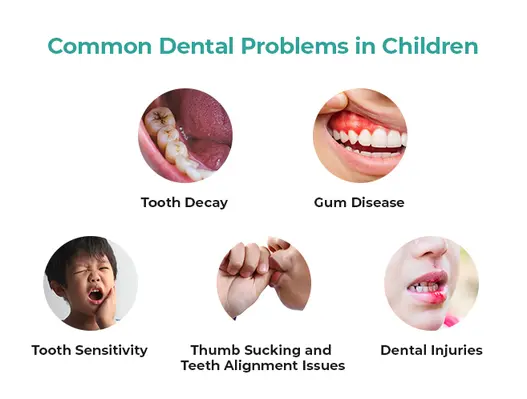
Dental caries is the most common chronic disease among children. It occurs when bacteria in dental plaque produce acids that dissolve tooth enamel. Frequent consumption of sugary foods and poor oral hygiene increase the risk. Symptoms include:

  • Toothache
  • Sensitivity
  • White or brown spots
  • Cavities
  • Difficulty chewing
Common dental problems in children including tooth decay gum disease and thumb sucking

2. Early Childhood Caries (ECC)

Early childhood caries affects infants and preschool children. It often develops due to prolonged bottle feeding with milk or sugary drinks, especially during sleep.

3. Gingivitis

Poor oral hygiene can cause inflammation of the gums, resulting in redness, swelling, and bleeding during brushing.

4. Malocclusion

Improper alignment of teeth or jaws may result from genetics, thumb sucking, tongue thrusting, or prolonged pacifier use.

5. Dental Trauma

Children are highly active and may suffer injuries during sports or falls, leading to chipped, fractured, or knocked-out teeth.

6. Thumb Sucking or Oral Habits

Persistent thumb sucking beyond early childhood can affect jaw growth and tooth alignment, leading to orthodontic problems. Learn more about habit-breaking appliances for thumb sucking.

Preventive Dental Care

Preventive measures include:

1. Oral Hygiene Education

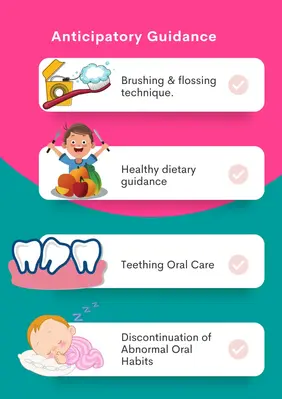
Children should brush twice daily using fluoride toothpaste and floss once teeth begin touching each other.

2. Fluoride Therapy

Professional fluoride applications strengthen enamel and reduce the risk of cavities.

3. Pit and Fissure Sealants

Sealants are protective coatings applied to the chewing surfaces of permanent molars to prevent food and bacteria from collecting in deep grooves.

4. Regular Dental Check-Up

Children should visit the dentist every six months for examination, cleaning and preventive care.

5. Dietary Counseling

Parents should encourage healthy eating habits by limiting sugary snacks and beverages while promoting healthy eating like fruits, vegetables, dairy products and water.

Anticipatory guidance for children including brushing flossing healthy diet and teething oral care

Behavior Management in Pediatric Dentistry

Managing children's behavior is one of the unique aspects of pediatric dentistry. Pediatric dentists use various techniques to reduce fear and anxiety, including:

A. Tell-Show-Do Technique

  • Tell — explain the upcoming step using clear, kid-friendly, non-technical words, avoiding scary words
  • Show — demonstrate the tool or action safely, letting the child see, hear or touch the instrument on a finger or a model first
  • Do — perform the actual procedure smoothly without changing the plan

B. Positive Reinforcement

Adding a rewarding or pleasant stimulus immediately after a desired action occurs. Types of positive reinforcement include:

  • Verbal praise — specific statements like "thank you for raising your hand"
  • Tangible rewards — physical items like stickers, stamps or favorite snacks
  • Token system — points or stars earned on a chart that trade for a bigger reward

C. Distraction Technique

A tool used to shift a child's focus away from a stressful, painful or upsetting situation. Types of distraction techniques include:

  • Audio-visual — watching videos, playing interactive video games, or wearing virtual reality headsets
  • Auditory — listening to favorite music, audiobooks, or a soothing story
  • Tactile and sensory — squeezing a stress ball or feeling textures
  • Mental and cognitive — counting backwards, playing word games, or naming objects
  • Active participation — asking the child to help with a simple task or answer engaging questions

D-G. Other Techniques

  • Voice control — using tone and pace to guide behavior calmly
  • Modeling — letting the child observe another cooperative child or a demonstration
  • Parental involvement — allowing parental presence and support during treatment
  • Sedation — used when necessary for extensive procedures or highly anxious children

Treatment Procedures in Pediatric Dentistry

Depending on the child's dental condition, pediatric dentists may perform various treatments, including:

A. Dental Fillings

Used to restore teeth damaged by cavities. See our kids filling services.

B. Pulp Therapy

Performed when tooth decay reaches the pulp, while preserving the primary tooth until natural shedding. Learn about kids root canal treatment (pulpectomy).

C. Stainless Steel Crown

Used for severely decayed or damaged primary teeth to restore function and protect the tooth. Explore kids stainless steel caps.

D. Tooth Extractions

Necessary when teeth are severely damaged, infected, or interfering with the eruption of permanent teeth.

E. Space Maintainers

Used after premature loss of primary teeth to preserve space for permanent teeth. Learn more about space maintainers.

F. Orthodontic Evaluation

Early assessment helps identify jaw and tooth alignment problems that may require future orthodontic treatment.

Importance of Primary Teeth

Many people mistakenly believe that baby teeth are unimportant because they eventually fall out. However, primary teeth have several essential functions:

  • Help children chew food properly
  • Aid in speech development
  • Maintain facial appearance
  • Guide permanent teeth into their correct positions
  • Preserve space for permanent teeth

Premature loss of primary teeth can lead to crowding, misalignment, and orthodontic problems.

Role of Parents in Children's Oral Health

Parents play a vital role in maintaining their child's oral health. They should:

  • Begin cleaning the baby's mouth even before teeth erupt
  • Brush children's teeth until they develop adequate hand coordination
  • Schedule the first dental visit by the child's first birthday or within 6 months of the first tooth eruption
  • Encourage healthy eating habits
  • Limit sugary snacks and drinks
  • Ensure regular dental check-ups
  • Promote good oral hygiene as a part of daily routines

Challenges in Pediatric Dentistry

Pediatric dentistry presents several challenges, including:

  • Managing fearful and anxious children
  • Treating children with special healthcare needs
  • Preventing early childhood caries
  • Educating parents about preventive care
  • Addressing increasing consumption of sugary foods and beverages

Frequently Asked Questions

How do I find a good pediatric dentist near me?

Look for a pediatric dentist near you who has specialized training in children's dentistry, a child-friendly clinic environment, and experience using behavior management techniques. Dental Folks in Ramesh Nagar, Delhi offers gentle, comprehensive dental care designed specifically for infants, children and adolescents.

At what age should my child first visit a pediatric dentist?

The first dental visit should be scheduled by the child's first birthday or within six months of the eruption of the first tooth, whichever comes first.

Are baby teeth really that important if they eventually fall out?

Yes. Primary teeth help children chew properly, aid speech development, maintain facial appearance, guide permanent teeth into correct positions, and preserve space for adult teeth. Premature loss can lead to crowding and orthodontic problems.

How do pediatric dentists help anxious or fearful children?

Pediatric dentists use behavior management techniques such as the tell-show-do technique, positive reinforcement, distraction methods, voice control, modeling, and parental involvement to make dental visits comfortable and stress-free for children.

Looking for a Pediatric Dentist Near Me in Ramesh Nagar?

From your child's first check-up to fillings, sealants and space maintainers, our specialists in Ramesh Nagar, Delhi provide gentle, comprehensive pediatric dental care. Book a consultation with Dental Folks today.

Book Your Appointment Today