
Clinic Timings
Monday To Saturday
Morning-10:00 AM - 01:30 PM
Evening-05:00 PM - 08:30 PM
Sunday
10:00 AM - 01:30 PM




Importance of Sugar on Oral Hygiene
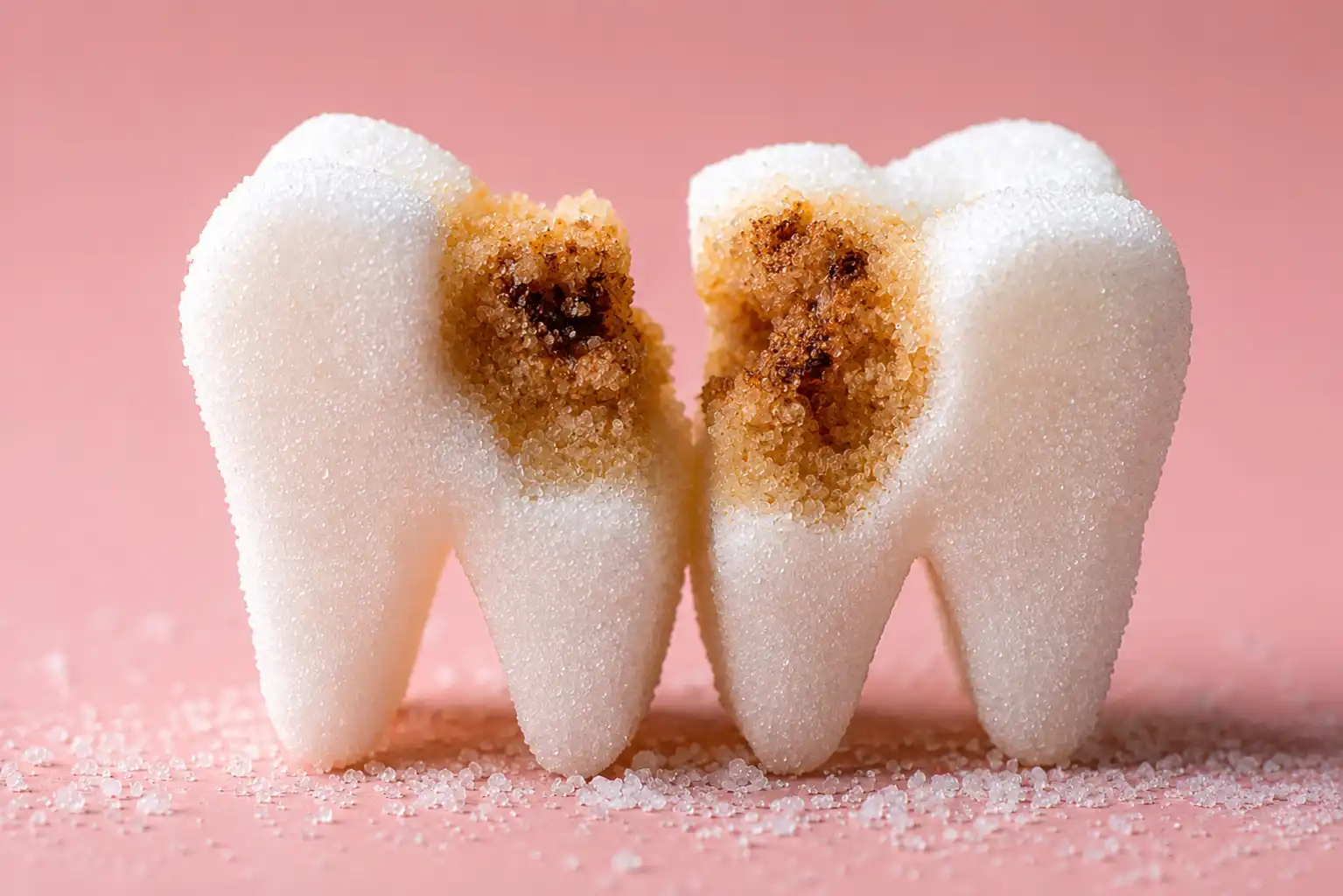
Mouth is home to hundreds of species of bacteria. Many of these bacteria are harmless, but some — particularly streptococcus mutans — feed on sugars from the foods and beverages we consume. When these bacteria metabolize sugar, they produce acids as a byproduct. These acids attack the enamel, the hard outer layer of the teeth.
Repeated acid attacks cause demineralization, a process in which minerals such as calcium and phosphate are lost from the enamel. If this process continues without adequate remineralization, it leads to tooth decay, also known as dental caries.
Table of Contents
The Process of Tooth Decay
- It is a gradual process that begins with plaque formation. Plaque is a sticky film of bacteria that forms on the teeth shortly after eating. When sugar is present, plaque bacteria become more active and produce more acid.
- Each time sugar is consumed, the mouth's pH drops, creating an acidic environment; it can take up to 30 minutes or longer for saliva to neutralize these acids. If sugary foods or drinks are consumed frequently throughout the day, the teeth are exposed to prolonged acid attacks, increasing the risk of cavities.
Different Types of Sugars and Their Impact
- Sucrose (table sugar): high cariogenic (caries causing) and commonly found in sweets and processed foods.
- Fructose: naturally present in fruits but also added to many processed foods.
- Glucose: a simple sugar found in many rich carbohydrate foods.
- Lactose: found in milk and dairy products; generally less cariogenic than sucrose.
- Sticky sugars — such as those found in candies, dried fruits and caramel — are particularly harmful because they adhere to the teeth and prolong acid exposure.
- Sugary drinks — including sodas and energy drinks — are also problematic because they bathe the teeth in sugar and often contain added acids.

Frequency Matters More Than Quantity
- Frequency of sugar consumption is more damaging than the total amount consumed at once.
- Consuming sugar during a meal is less harmful because increased saliva production helps neutralize acids more effectively.
Sugar and Gum Health
While sugar is most commonly associated with cavities, it also indirectly affects gum health. Plaque buildup fueled by sugar can lead to gingivitis, an early stage of gum disease characterized by red, swollen and bleeding gums. If left untreated, gingivitis can progress to periodontitis, a more severe form of gum disease that damages the supporting structure of the teeth.
Worried about sugar damage to your teeth? Get a check-up at Dental Folks, Ramesh Nagar.
Call Now WhatsAppThe Role of Saliva and Fluoride
- Saliva is the mouth's natural defense against sugar-related damage. It helps wash away food particles, neutralize acids, and provide essential minerals for enamel repair. However, when sugar intake is frequent, saliva may not have sufficient time to restore the mouth's natural balance.
- Fluoride plays a critical role in strengthening enamel and enhancing remineralization.
Children and Sugar Consumption
- Their enamel is thinner than that of adults, making it more susceptible to decay.
- Early childhood caries is a serious condition that can affect speech development, nutrition, and self-esteem. Establishing healthy dietary habits early — such as limiting sugary drinks and encouraging proper brushing — can set the foundation for lifelong oral health.

Preventive Strategies for Protecting Teeth from Sugar
Related damage requires a combination of dietary awareness and good oral hygiene practices:
- Brush twice daily with fluoride toothpaste.
- Floss daily to remove plaque between teeth.
- Limit sugary snacks and drinks.
- Drink water after consuming sugary foods.
- Visit a dentist regularly for check-ups and cleanings.
Frequently Asked Questions
Are sutures painful?
Placing sutures is not painful because the area is numbed with anesthesia. Mild discomfort or tightness may be felt under the procedure.
When are sutures removed?
Non-absorbable sutures are usually removed within 7-10 days after the procedure.
Is bleeding normal after sutures?
Mild bleeding or oozing is normal during the first 24 hours.
Can sutures get infected?
Infection is rare but can occur if proper oral hygiene is not maintained. Signs include increased pain, swelling, pus or fever.
Do sutures affect eating or speaking?
Initially, one may feel slight tightness, but sutures usually do not significantly affect eating or speaking, soft foods are recommended during healing.
Are sutures always necessary after dental procedures?
No. Not all dental procedures need sutures. Sutures are only used when required to support healing and protect the surgical area.
Concerned About Tea or Coffee Stains?
If your teeth are stained or sensitive due to tea and coffee, visit Dental Folks – a trusted dental clinic in Ramesh Nagar, West Delhi.
Book Your Appointment Today