
Clinic Timings
Monday To Saturday
Morning-10:00 AM - 01:30 PM
Evening-05:00 PM - 08:30 PM
Sunday
10:00 AM - 01:30 PM





Aligners vs Braces: Which Is Better for Straightening Your Teeth?
Choosing between clear aligners and braces is one of the most common questions patients ask before starting orthodontic treatment. Both options straighten your teeth effectively, but they differ in appearance, comfort, cost, and the type of dental issues they can correct. In this guide, we break down aligners vs braces in detail so you can make an informed choice with your dentist in Ramesh Nagar, Delhi.
Table of Contents
What Are Braces?
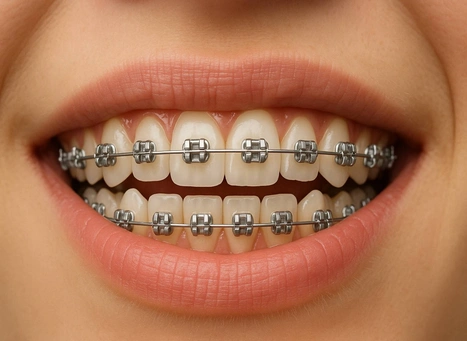
Braces are the traditional, time-tested method for straightening teeth. They consist of metal or ceramic brackets bonded to each tooth and connected by an archwire, sometimes with rubber bands. Together, these components apply steady pressure that gradually guides the teeth into their correct position over the course of treatment. At Dental Folks, we offer several braces treatment options, including metal braces and ceramic braces, depending on your needs.
Pros of Braces
Braces remain highly effective for complex orthodontic problems such as severe crowding, large gaps, and significant bite issues like overbite, underbite, or crossbite. Because braces are fixed in place, they work around the clock without any effort from the patient — there is nothing to remember to wear. This makes them a dependable choice, particularly for children and teenagers who may find it harder to stay consistent with a removable appliance.
Cons of Braces
The most obvious drawback is appearance. Metal brackets and wires are clearly visible, which can make some patients self-conscious about their smile during treatment. Braces can also cause temporary discomfort after adjustments and may irritate the inside of the cheeks and lips. Oral hygiene also needs extra attention, since food particles can easily get trapped around the brackets and wires.
What Are Clear Aligners?
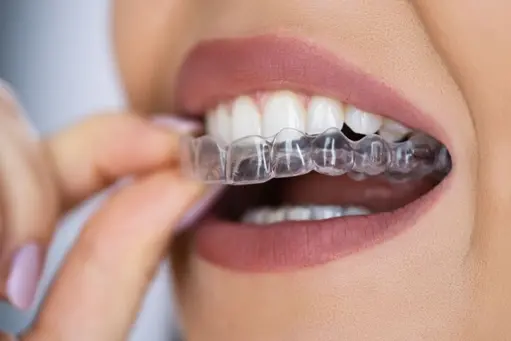
Clear aligners are a modern, nearly invisible alternative to traditional braces. They are custom-made, transparent plastic trays that fit snugly over the teeth. Patients wear a series of aligners — each one slightly different from the last — to gradually shift the teeth into proper alignment, similar to how Invisalign and other clear aligner systems work. If you're exploring invisible braces and Invisalign aligners, our team can guide you through the process.
Pros of Aligners
The biggest advantage of clear aligners is how discreet they are. Most people won't even notice you're wearing them, which is why they're such a popular choice among working professionals, teens, and adults who want invisible braces. Aligners are also removable, so you can eat, drink, brush, and floss without any restrictions — making it much easier to maintain good oral hygiene compared to fixed braces.
Comfort is another major benefit. Aligners have no wires or brackets, so they're far less likely to irritate your cheeks or gums. You may feel mild pressure for a day or two when switching to a new tray, but it's generally much milder than the soreness caused by braces.
Cons of Aligners
Aligners require discipline. For effective results, they need to be worn for 20 to 22 hours a day, and skipping this can slow down or compromise your treatment. Aligners also aren't always the right fit for severe orthodontic cases, although newer aligner technology is steadily expanding what they can treat.
Not sure whether aligners or braces are right for you? Our specialists at Dental Folks, Ramesh Nagar can help you decide.
Call Now WhatsAppKey Differences Between Aligners and Braces
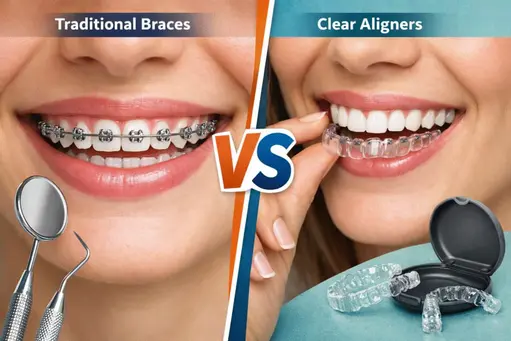
Here's a closer look at how clear aligners and braces compare across the factors that matter most to patients.
1. Appearance
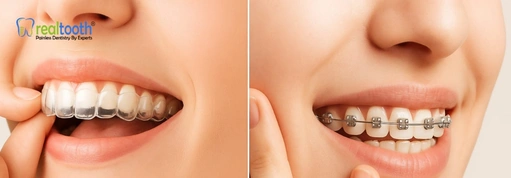
Clear aligners are transparent and virtually unnoticeable, while braces are visible on the teeth. If a discreet, invisible treatment is your top priority, aligners are usually the better option.
2. Comfort
Aligners tend to be more comfortable overall, since there are no sharp edges or wires to worry about. Braces, especially right after tightening, can cause soreness and mild irritation.
3. Effectiveness
For complex dental cases, braces generally deliver more predictable results. Aligners work best for mild to moderate alignment issues, though newer aligner systems are increasingly capable of treating more complicated cases too.
4. Maintenance
Braces require careful cleaning around the brackets and wires to prevent plaque buildup. Aligners are easier to maintain overall, since you simply remove them to brush and floss as usual — though the aligners themselves also need regular cleaning to stay clear and hygienic.
5. Food Restrictions
With braces, you'll need to avoid hard, sticky, or chewy foods that could damage the brackets or wires. Aligners place no such restrictions on your diet — you can eat whatever you like, as long as you remove the aligners before meals.
6. Treatment Time
Treatment duration depends on the complexity of your case. For milder alignment issues, aligners can sometimes work faster. For more complex corrections, braces tend to deliver reliable results within a predictable timeframe.
Frequently Asked Questions
Which is better, braces or clear aligners?
It depends on your case. Braces are usually the better choice for severe crowding, large gaps, or significant bite problems, while clear aligners work best for mild to moderate alignment issues and offer a nearly invisible, removable option. Your dentist can recommend the right treatment after examining your teeth.
Can adults wear clear aligners instead of braces?
Yes, clear aligners are especially popular among adults because they are nearly invisible, removable, and fit easily into a professional lifestyle. Most adults with mild to moderate alignment issues are good candidates for aligners.
How many hours a day should I wear my aligners?
For effective results, clear aligners should be worn for 20 to 22 hours a day, removing them only for eating, drinking, brushing, and flossing. Wearing them for fewer hours can delay your treatment timeline.
Are clear aligners suitable for complex dental issues?
Clear aligners work best for mild to moderate alignment issues. For severe crowding, large gaps, or significant bite problems, braces are generally more effective, though newer aligner technology is steadily expanding what aligners can treat.
Ready to Start Your Smile Transformation?
Whether you choose clear aligners or traditional braces, our dental specialists in Ramesh Nagar, Delhi will help you pick the right treatment for your smile goals. Book a consultation with Dental Folks today.
Book Your Appointment Today