Effects of smoking on oral health
The mouth is the first area exposed to tobacco smoking, making it highly vulnerable to both short-term and long-term damage. Smoking introduces thousands of harmful chemicals into the mouth, including nicotine, tar and carbon monoxide. These substances damage oral tissues, reduce blood flow, and weaken the immune system, making it harder for the body to fight infections.

1. Tooth discoloration and bad breath-
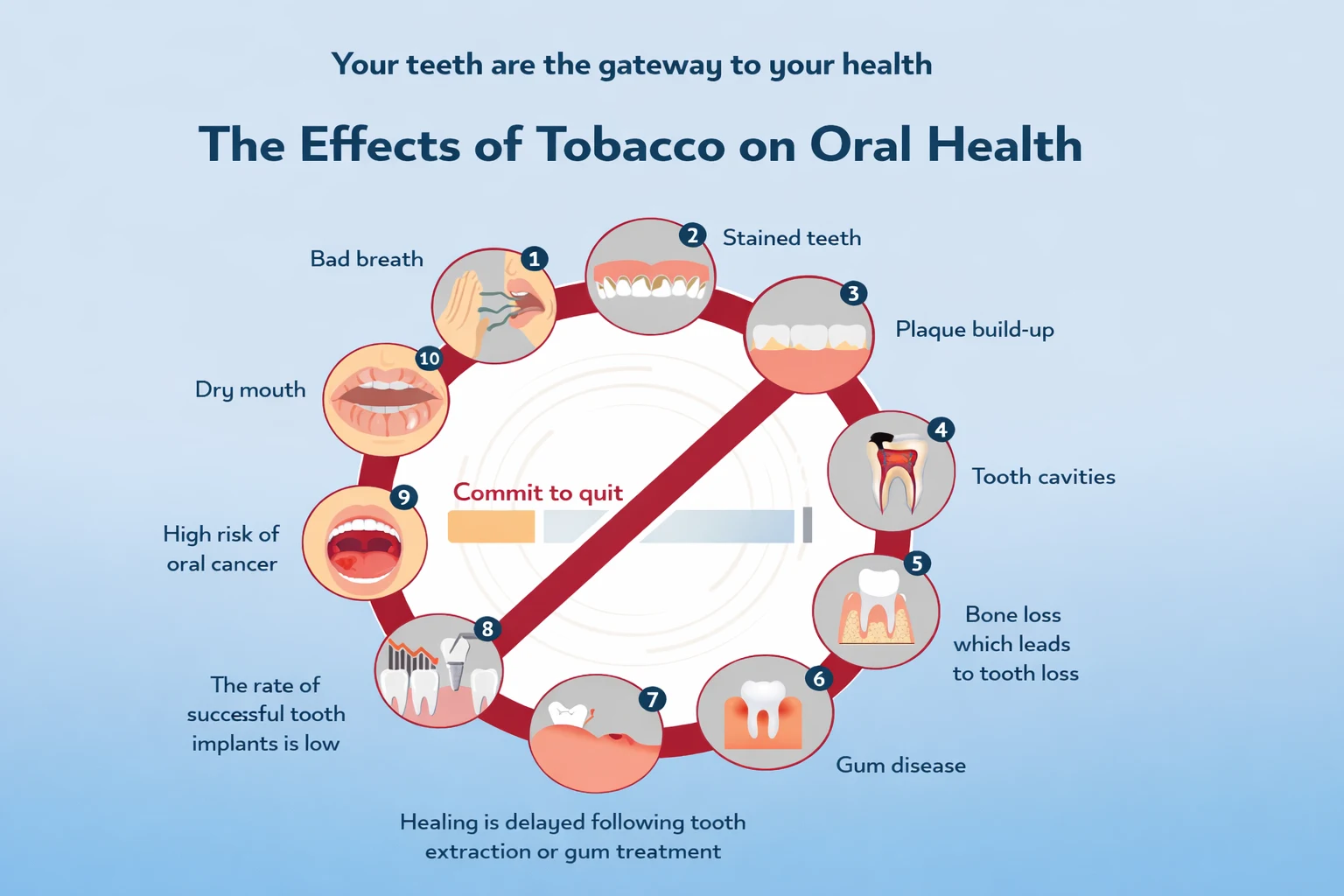
- Nicotine and far stain the enamel, turning teeth yellow or brown over time. These stains are often resistant to regular brushing and may require professional whitening.
Smoking is also a leading cause of chronic bad breath (halitosis). Tobacco smoke leaves a persistent odor in the mouth and reduces the saliva production since saliva helps cleanse the mouth and neutralize bacteria, dry mouth caused by smoking allows odor-causing bacteria to multiply.
2. Gum disease caused by smoking-
- Gingivitis (red, swollen, bleeding gums)
- Periodontitis (advanced gum disease)
- Gum recession
- Tooth mobility and tooth loss
- It weakens the immune response and reduces blood circulation to the gums, making it easier for infections to develop and harder for tissues to heal.
Smokers are more likely to experience
3. Increased risk of oral cancer-
- Non-healing mouth sores.
- White or red patches in the mouth.
- Lumps or thickened tissue.
- Difficulty chewing or swallowing.
- Tobacco use is a major cause of cancer affecting the lips, tongue, cheeks, gums, floor of the mouth and throat. The toxic chemicals in cigarette smoke damage the DNA of oral cells, leading to abnormal cell growth which causes oral cancer.
Early signs of oral cancer include
4. Delayed healing after dental treatments-
- Smoking significantly slows down the healing process after dental procedures such as tooth extractions, gum surgery, or dental implants. Reduces blood supply and oxygen levels interfere with tissue repair and increase the risk of infection.
- A common complication in smokers is dry socket, a painful condition that can occur after tooth removal. Smoking also lowers the success rate of dental implants by preventing proper integration with the jawbone.
5. Reduced sense of taste and smell-
- Smoking damages taste buds and sensory nerves, leading to a reduced sense of taste and smell. This can affect appetite and nutrition which indirectly impacts oral and overall health.
6. Increased plaque and tooth decay-
- Smoking alters the balance of bacteria of bacteria in the mouth encouraging plaque buildup. Excess plaque increases the risk of cavities and worsen gum disease. Combined with poor oral hygiene, smoking can accelerate tooth decay and enamel damage.
Benefits of quitting smoking for oral health-
- Improved blood circulation to the gums.
- Reduced risk of gum disease and tooth loss.
- Better healing after dental procedures.
- Fresher breath and improved saliva flow.
- Lower risk of oral cancer over time.
Tips to protect oral health for smokers-
- Brush twice daily with fluoride toothpaste.
- Floss every day to remove plaque between teeth.
- 3Use antibacterial mouthwash.
- Visit dental clinic in every 6 months to 1 year for professional cleanings and oral cancer screenings.
- Seek support to quit smoking, such as counselling or nicotine replacement therapy.
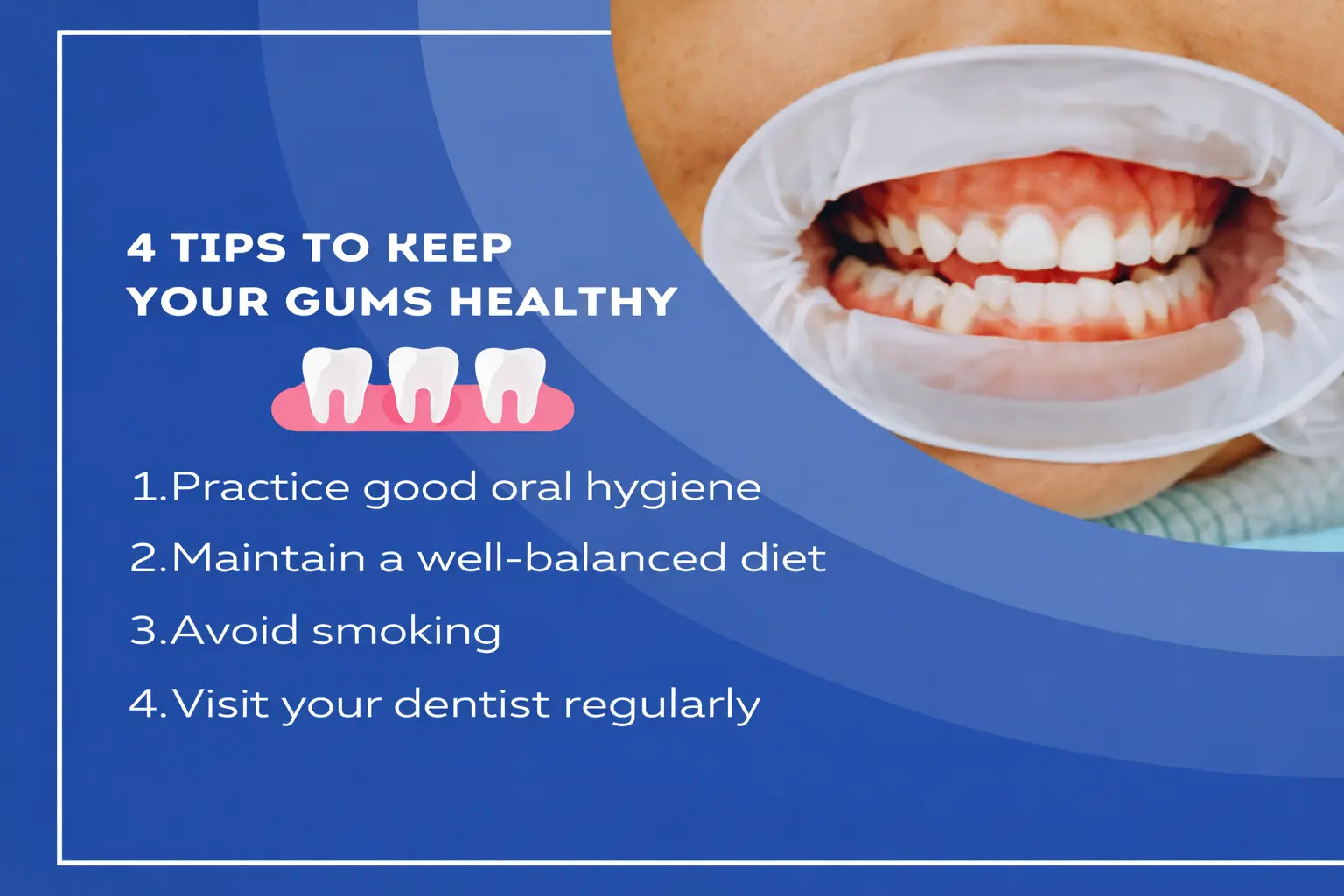
Smoking has severe and wide-ranging effects on oral health, from cosmetic problems like stained teeth and bad breath to serious conditions such as gum disease and oral cancer understanding the dangers of smoking and taking steps to quit can significantly improve oral health and overall quality of life.
Frequently Asked Questions
Concerned about your dental health?
If you are experiencing tooth pain, sensitivity, bleeding gums, stains, or other dental problems, visit Dental Folks – a trusted dental clinic in Ramesh Nagar, West Delhi.
Book Your Appointment Today